


Know how to start
Use practical scripts for introductions, apologies, asking for help, expressing sympathy, and speaking up respectfully.

Couldn't load pickup availability


Estimated delivery calculating…
Order within -- min -- sec
3–5 business days · Delivering to United States
Real words for difficult moments
Use practical scripts for introductions, apologies, asking for help, expressing sympathy, and speaking up respectfully.
Practice empathy, inclusion, trust, thoughtful advice, and the skills that help relationships feel safer and stronger.
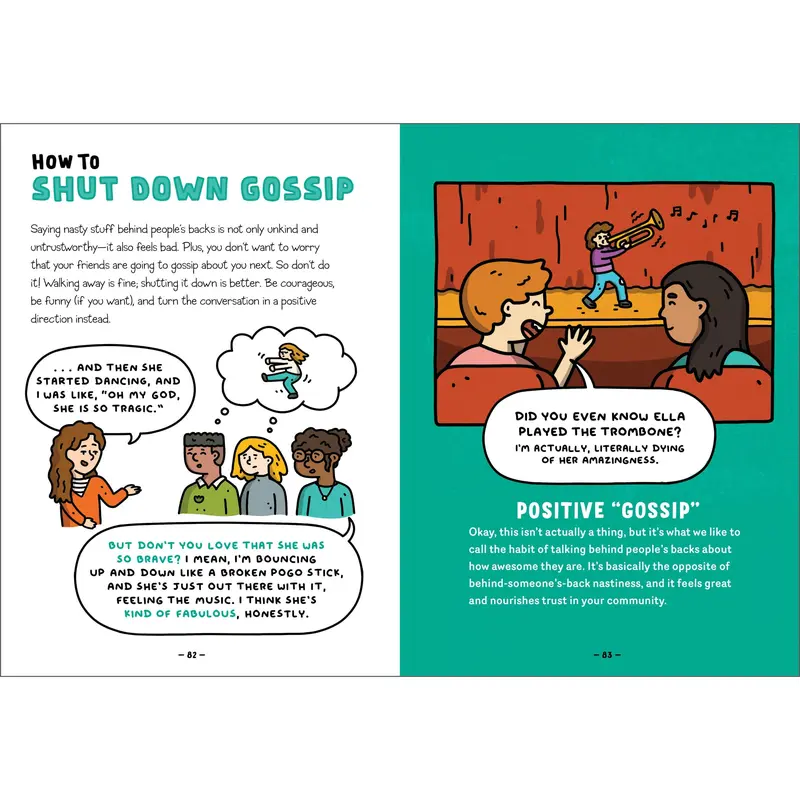
Prepare for bullying, gossip, peer pressure, and offensive comments with calm language children can actually remember.
Your child wants to join the conversation, but freezes.
A friend says something hurtful, but they do not know how to respond. Someone is being excluded, but they are afraid to speak up. They need help, but cannot find the words to ask.
These moments may seem small to adults. To a child, they can shape friendships, confidence, and whether they feel understood.
What Can I Say? by Catherine Newman gives children ages 10 and up practical words for the social situations they face at school, at home, and around friends.
Instead of offering vague advice like “just be confident,” this supportive guide provides accessible scripts children can use when they are unsure what to say.
Humorous graphic illustrations bring familiar situations to life, while Catherine Newman’s friendly guidance helps young readers understand how their words can show confidence, empathy, care, and respect.
You cannot stand beside your child during every awkward conversation, disagreement, or difficult moment. But you can give them words they can carry into those moments themselves.
Give your child a practical guide for speaking clearly, connecting confidently, and handling the conversations that come with growing up.
A New York Times bestselling social skills guide for children ages 10 and up.
Shipping rates and estimated delivery dates are shown at checkout based on the destination.
Review the store refund policy for eligibility, timing, and instructions before starting a return.
Is this the right guide for your family?
Friendly scripts and illustrated situations offer a starting point for introductions, apologies, friendship challenges, and speaking up.
What Can I Say? is intended for ages 10 and up, especially children navigating middle-school friendships and communication.
Yes. It includes practical scripts and guidance for situations such as introductions, apologies, asking for help, expressing sympathy, and speaking up.
No. Listening, inclusion, boundaries, and thoughtful communication are useful for outgoing children too. Choose the topics that match your child’s needs.
Alongside friendship and communication, the book discusses bullying, offensive comments, pronouns, inclusion, and asking someone out. Parents can preview topics and discuss them with their child.
| Guide | Who it’s for | Main focus |
|---|---|---|
| The Parent You Aspire to Be | Parents & caregivers | Calmer responses and emotional connection |
| Murphy’s Law for Kids | Children reading with a parent | Judgment, assumptions, and everyday choices |
| Street Smart Kids | Ages 6–15 | Safety, personal boundaries, and asking for help |
| Investing for Kids | Ages 8–12 | Saving, investing, risk, and reward |
| What Can I Say?You’re viewing this | Ages 10+ | Friendships, speaking up, and difficult conversations |
What families are saying
My daughter always thinks of what she wanted to say after she gets home. Then we talk about it while I’m making dinner. I bought this because ‘just speak up’ clearly wasn’t very helpful advice from me.
We’ve been reading together and trying out what we might say. Sometimes it gets silly, but I think that helps. She’s more willing to talk when it doesn’t feel like a serious lesson.
Bought it for my quieter child. She has plenty to say at home, but around other people she worries about getting it wrong. It’s been nice to talk about that without putting her on the spot.
My son is very direct and doesn’t always understand why someone got upset. Reading together has brought up some interesting conversations about how the same words can sound different to different people.
Not finished yet, but my daughter has already brought it over to me twice to talk about something. Usually I’m the one trying to start those conversations, so that felt good.
I wish I’d had more help with this growing up. Even now, I sometimes agree to things because saying no feels awkward. Reading with my daughter has given both of us something to think about.
Your experience matters
Share what stood out, what conversation it started, or how your family used the guide. Reviews are checked before they appear publicly.